
Beyond the Big Five: 10 Things You Might Miss on a Tanzania Safari
When people dream about a safari in Tanzania, they often imagine the same things.
A lion resting beneath an acacia tree.
A leopard hiding in the branches.
Elephants crossing the road.
Maybe a cheetah racing across the plains.
And, of course, the famous Big Five.
But after spending time in Tanzania, I have learned something:
Some of the most unforgettable safari moments aren't always the biggest animals.
Sometimes they're the tiny things you notice when you slow down.
Tanzania's safari experience is about wildlife, but it is also about landscapes, birds, trees, sounds, tracks, insects, people, and the incredible relationships between all of them. Tanzania's tourism authorities themselves describe the country as much more than wildlife alone, highlighting landscapes, culture, nature and other experiences.
So, if you're planning your first safari, here are 10 things you might miss if you're only looking for the Big Five.
1. The Birds
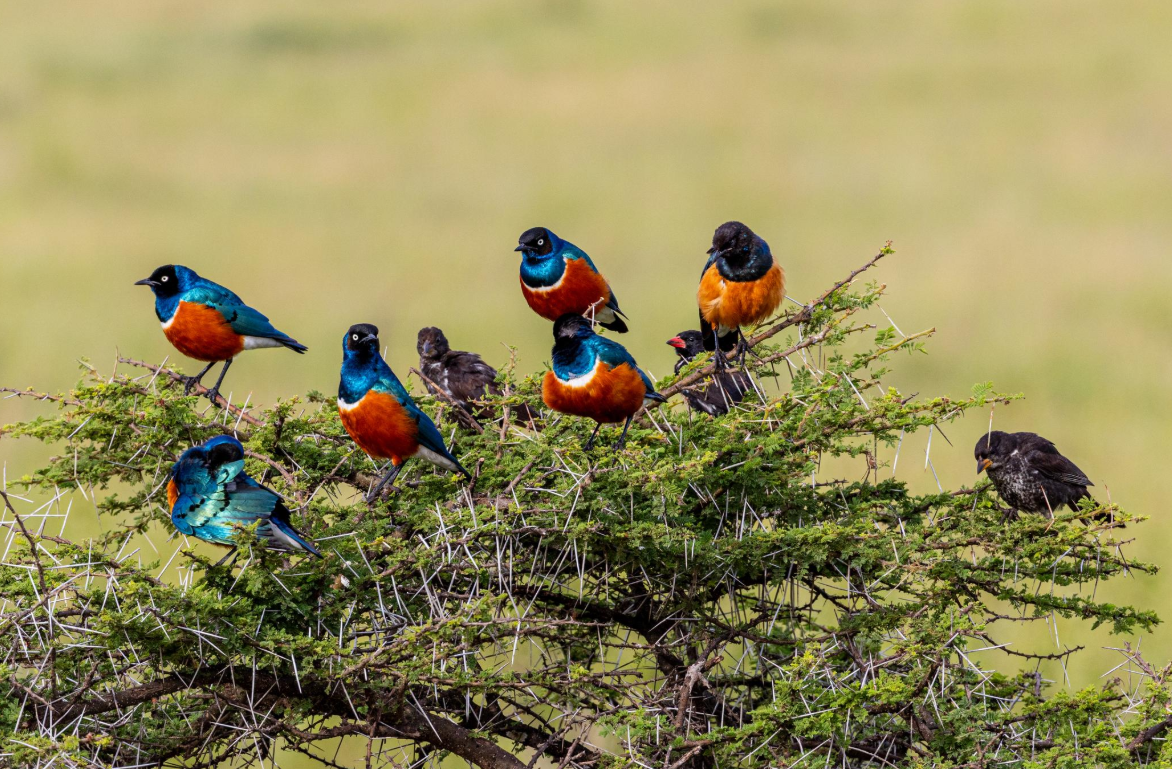
At The Serengeti National Park, Superb Starlings on an Acacia Tree.
You might be watching a lion when your guide suddenly points toward a tiny bird sitting on a branch.
Don't ignore it.
Tanzania has an incredible variety of birdlife. In the Serengeti alone, TANAPA has recorded more than 540 bird species.
From colorful bee-eaters and rollers to eagles, vultures, storks and tiny songbirds, the skies and trees are constantly alive.
Sometimes your guide will know exactly what you're looking at before you even realize there is a bird there.
The bush has a soundtrack—and birds are a big part of it.
2. The Acacia Trees
The acacia tree is almost a symbol of the African savanna.
Its silhouette against a sunrise can make you stop and take a photograph even when there isn't an animal anywhere nearby.
But these trees aren't just beautiful.
They are part of the ecosystem, providing food and shelter for wildlife and helping shape the landscape that animals depend upon.
And if you've ever seen a giraffe stretching its long neck toward the branches, you understand just how important these trees can be.
3. Animal Tracks in the Dust
This is one of my favorite parts of being in the bush.
You may not see an animal—but your guide may see its tracks.
A footprint in the dirt can tell a story.
Which animal passed by?
How recently?
Was it walking or running?
Was it alone?
Experienced guides learn to read these signs almost like we read words on a page.
For a visitor, it can feel like discovering a secret message written across the African soil.
And sometimes, following those clues leads to an unforgettable sight.
4. The Sounds of the Bush
One of the easiest things to miss on safari is something you can't photograph.
Sound.
The call of a bird.
A zebra alarm.
The distant roar of a lion.
Elephants communicating with one another.
Wind moving through the grass.
And sometimes...nothing.
That silence can be just as powerful.
There is something special about sitting in a safari vehicle early in the morning and simply listening.
You begin to realize that the wilderness doesn't need to entertain you.
It is already happening all around you.
5. Termites and Their Incredible Mounds
You may drive past a termite mound without giving it a second thought.
But stop and look.
Termites are tiny compared with elephants and lions, yet they play an important role in ecosystems.
Their mounds can become noticeable landmarks across the landscape, and abandoned termite structures may eventually provide shelter or opportunities for other animals.
On safari, even the smallest creatures have a story.
The bush works because everything is connected.
6. Dung Beetles
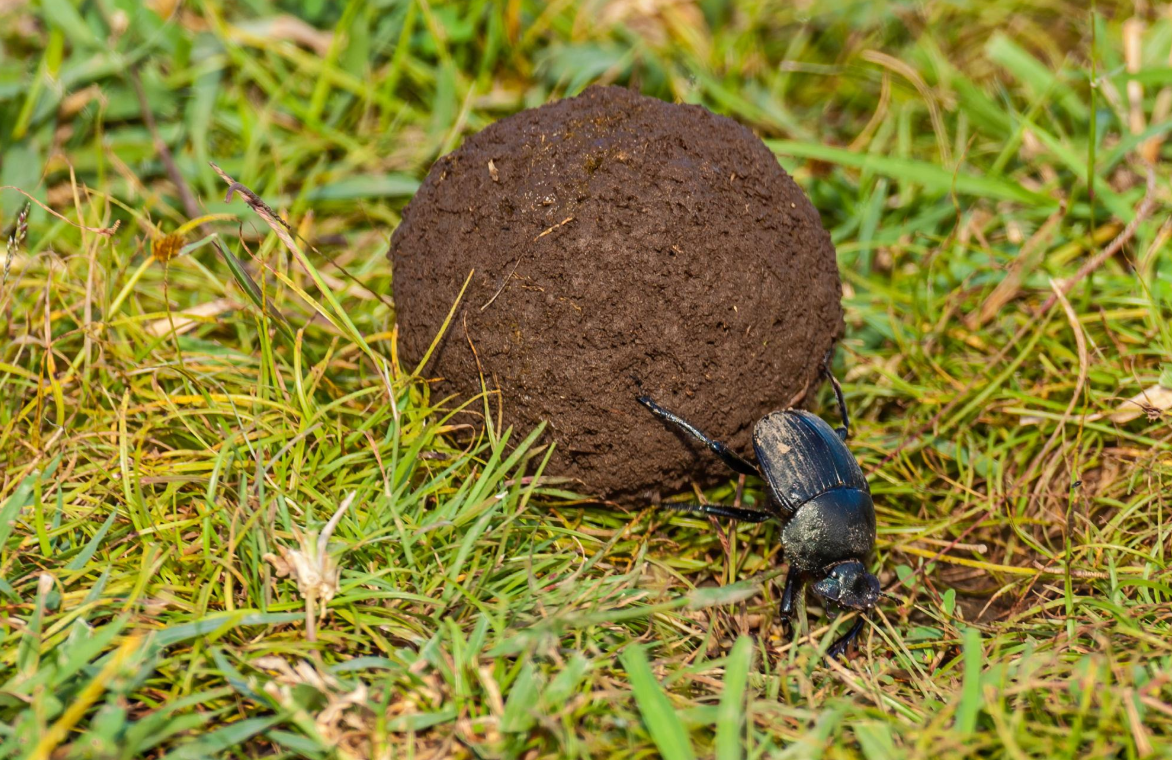
Small Creature. Big Job.
Even the smallest animals play an important role in the African ecosystem.
Yes...I'm talking about dung. 😂
But trust me—dung beetles are fascinating.
These little insects are constantly working, rolling and burying dung as part of their life cycle.
They may not be the animal you dreamed about seeing when you booked your African safari.
But once your guide points one out, you might find yourself watching them for several minutes.
That's one of the beautiful things about safari.
You arrive looking for lions.
You leave talking about dung beetles.
7. Giraffes Doing What Giraffes Do
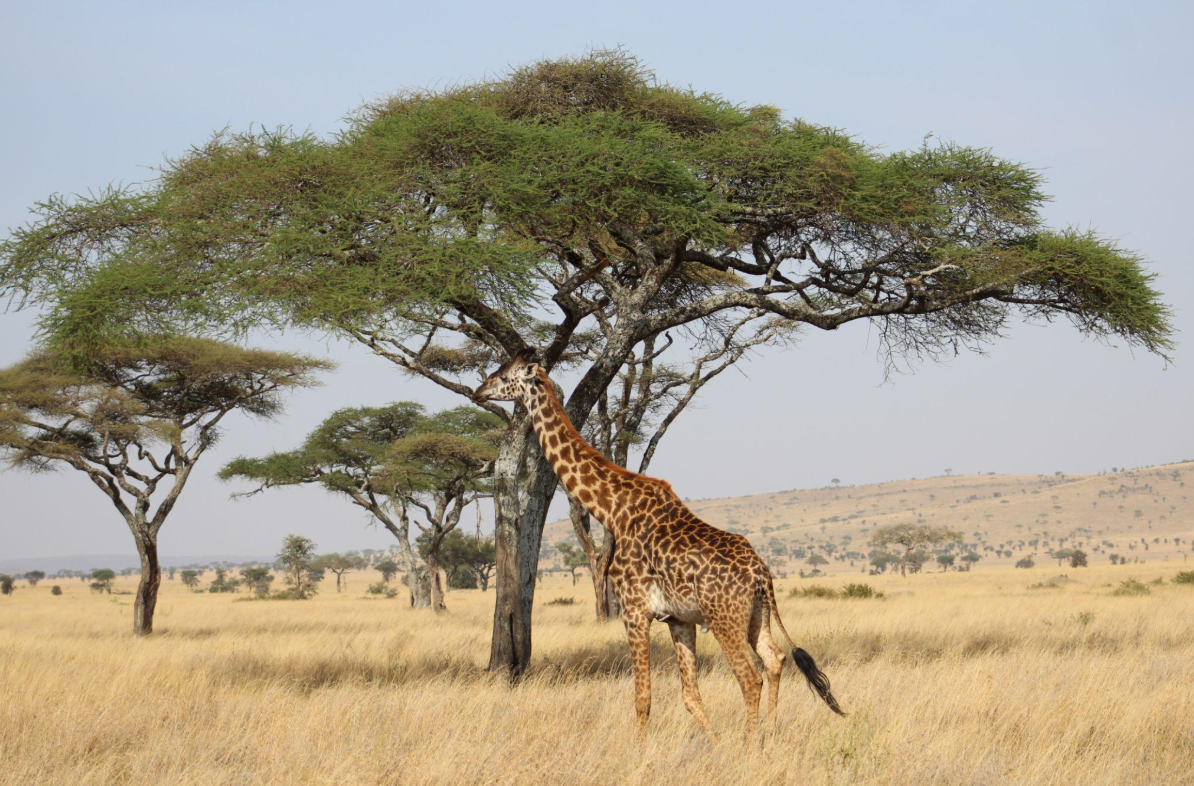
Giraffes are so familiar that people sometimes overlook them.
But spend a little time watching them.
Look at how they move.
Watch them interact.
See how they use their long necks to reach vegetation other animals can't easily reach.
And then watch a giraffe walk slowly across the horizon at sunset.
Suddenly, this "ordinary" animal doesn't seem ordinary at all.
Tanzania's landscapes provide many opportunities to see giraffes, including areas where they appear against very different habitats and scenery.
8. Zebra Behavior
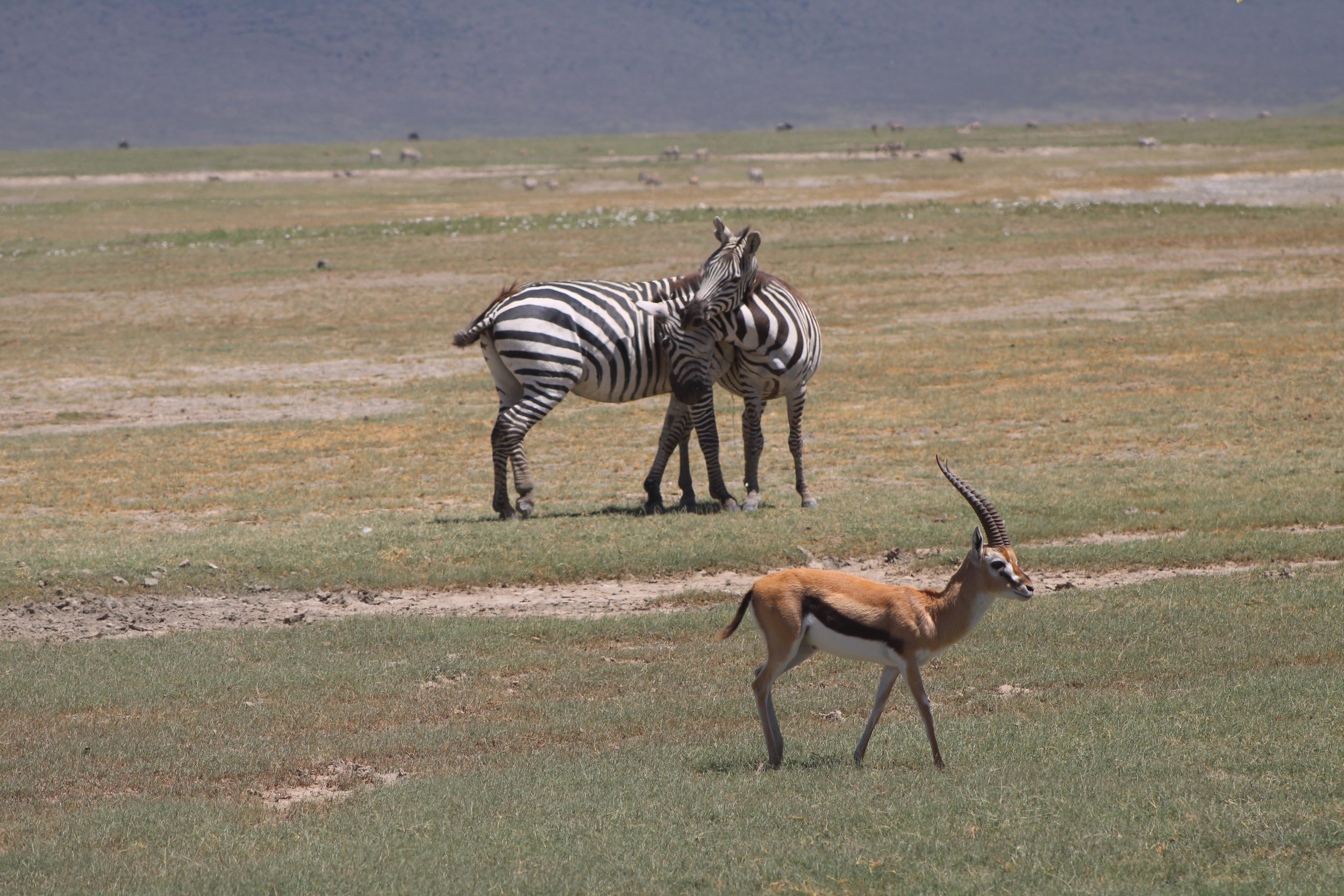
A herd of zebra can look like one giant moving pattern from a distance.
But stop and watch.
You'll notice individuals.
Some are feeding.
Some are resting.
Some are keeping watch.
Young zebra stay close to their mothers.
And suddenly, you're no longer just looking at stripes.
You're watching a community.
The Serengeti is famous for its annual migration of wildebeest and zebra, but the wildlife spectacle extends far beyond the migration itself.
9. The Landscape Itself
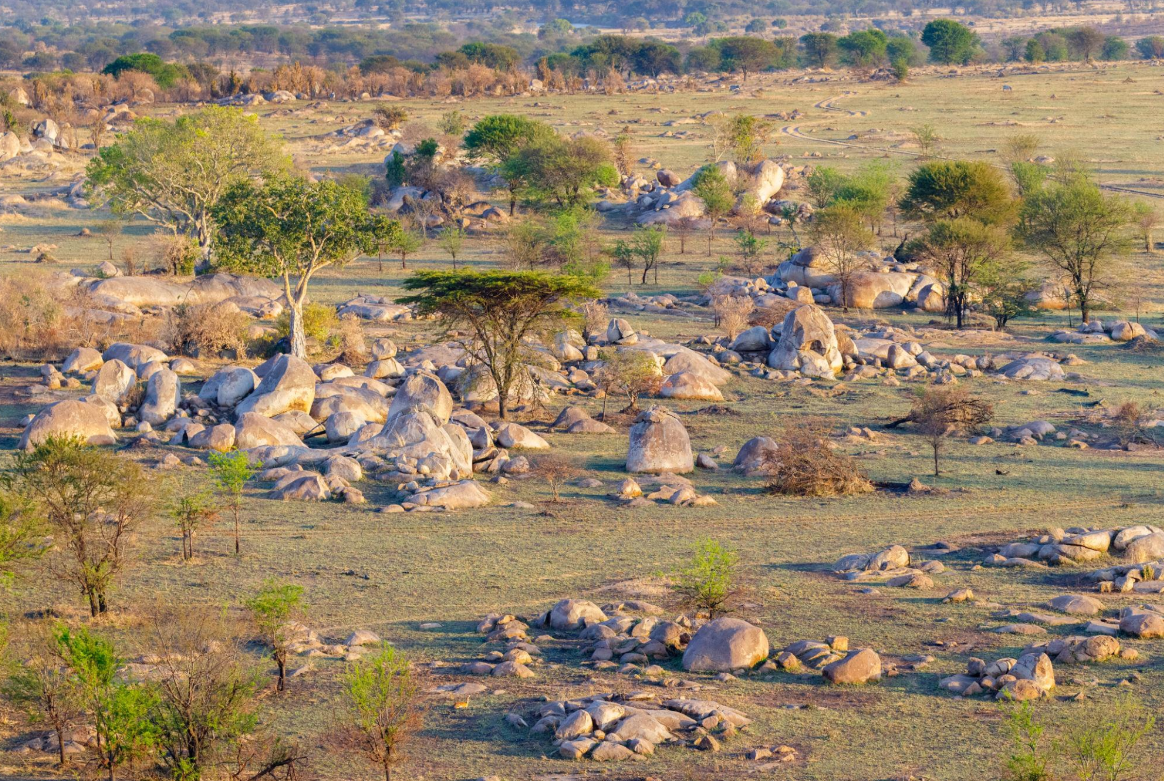
Rock formations in the Serengeti Savanna.
Sometimes there won't be an animal in sight.
And that's okay.
Look around.
The golden grass.
The kopjes rising from the plains.
The distant hills.
A lonely tree.
The changing colors of the sky.
The morning mist.
The afternoon light.
The Serengeti is famous for its wildlife, but its vast landscapes are part of what makes the experience so powerful. TANAPA describes the Serengeti as a place of golden savannahs, granite kopjes, star-filled skies and abundant wildlife throughout the year.
There are moments when you simply sit there and think:
10. The People and the Culture
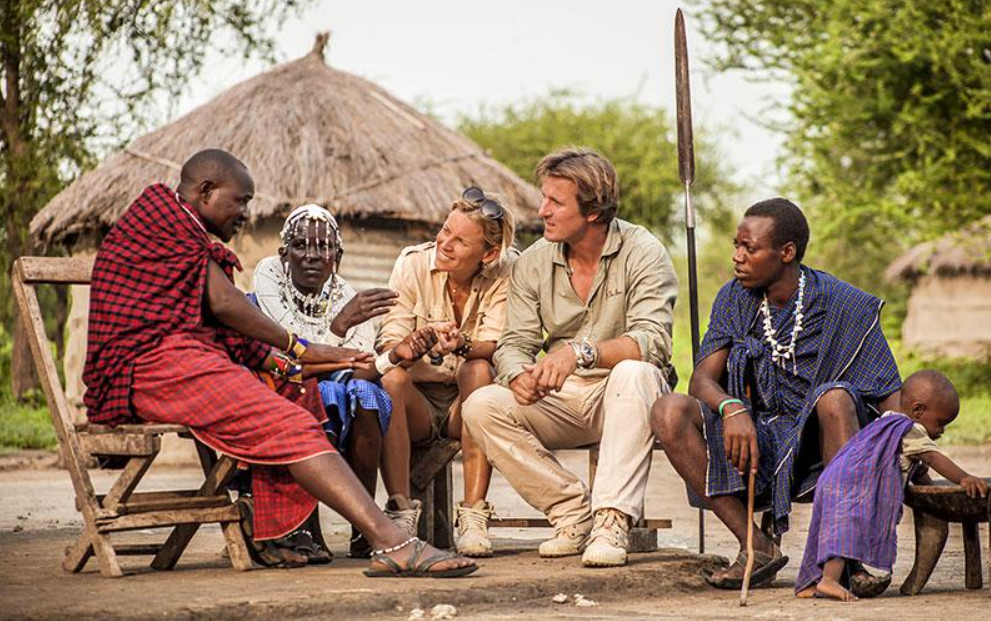
Perhaps one of the most important things you shouldn't miss is the people.
Tanzania isn't just a place of wildlife.
It is home to many cultures, traditions, languages and communities.
A conversation with a local person.
A visit to a village.
Learning a Swahili word.
Sharing a meal.
Seeing how communities live alongside the natural environment.
These experiences can become some of the memories you carry home long after you've forgotten the number of lions you saw.
Tanzania's official tourism messaging also places culture and meaningful cultural experiences alongside wildlife as important parts of experiencing the country.
Look Beyond the Obvious
The Big Five are incredible.
There is nothing quite like seeing a lion in the wild or watching elephants move across the savanna.
But Tanzania has a way of teaching you to look closer.
Look at the bird sitting above you.
Look at the tracks in the dirt.
Look at the trees.
Listen to the sounds.
Watch the insects.
Notice the landscape.
Talk to the people.
A safari isn't just about what you came to see.
Sometimes it's about what you didn't expect to notice.
And those unexpected moments can become the memories you treasure the most.
Godlove's Journal
Growing up in Tanzania, I learned that the bush has many stories.
You don't always see them immediately.
Sometimes you have to slow down.
Sometimes you have to listen.
Sometimes your guide points at something and says, "Look there."
And you wonder how you could have missed it.
That's one of the things I love about taking people on safari.
I don't just want someone to see a lion.
I want them to understand where that lion lives.
I want them to notice the trees, the birds, the landscape and the people.
Because when you begin to understand all those pieces, the safari becomes something much deeper.
You aren't just watching Africa.
You're experiencing it.
Karibu Tanzania 🇹🇿
Tanzania is waiting.
Not just with lions, elephants and the Great Migration—but with birds in the trees, tracks in the dust, sunsets across the plains, laughter around a village, and thousands of small moments you never expected.
So when you come to Tanzania, don't just look for the Big Five.
Look a little closer.
You might discover something even more memorable.
Karibu Tanzania — Welcome to Tanzania. 🇹🇿
