
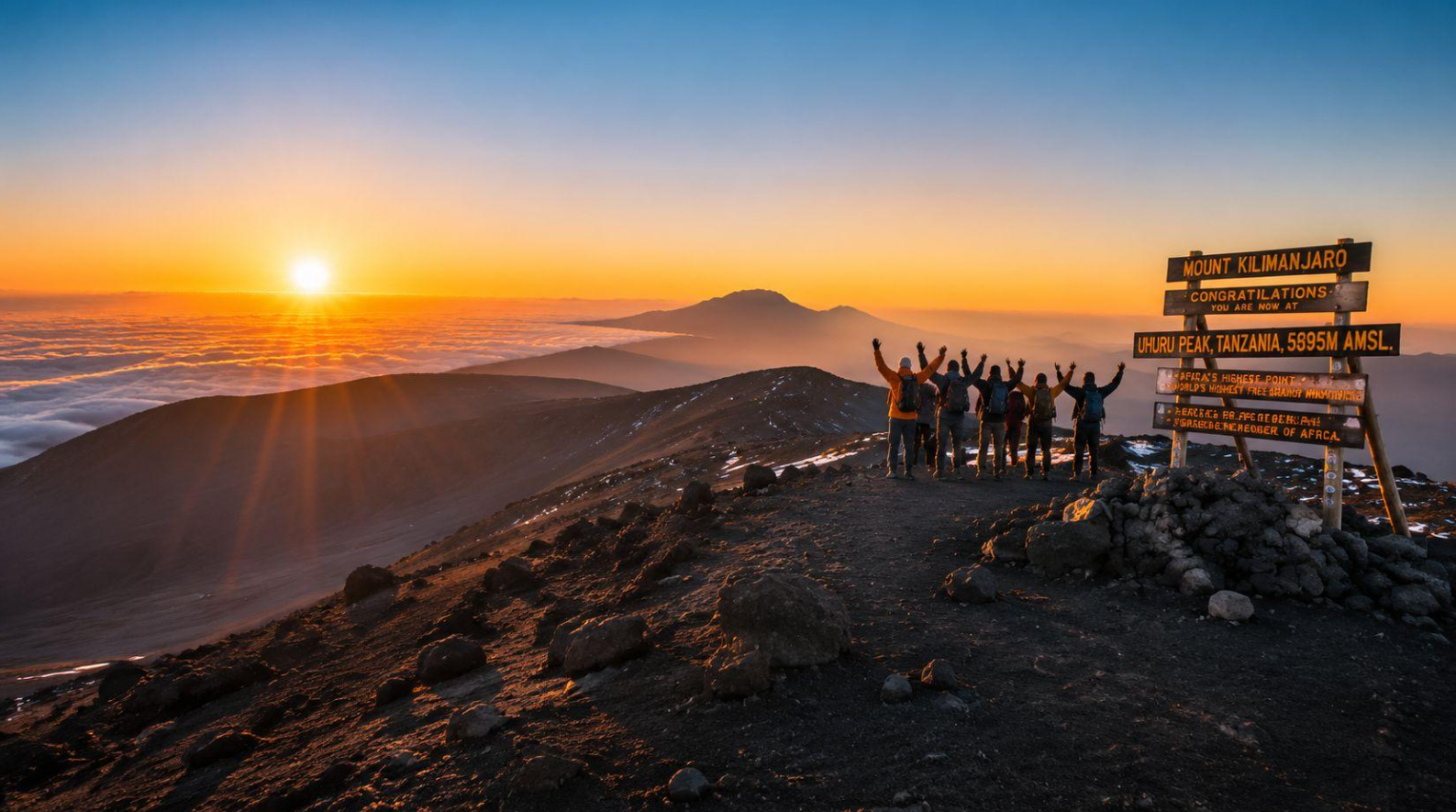
Standing at 19,341 feet above sea level, Mount Kilimanjaro is the highest mountain in Africa and one of the world's most remarkable trekking destinations.
For many people, seeing Kilimanjaro is already a dream. But for others, there is a bigger question:
Could I actually climb it?
The answer may surprise you. You do not have to be a professional mountaineer to attempt Mount Kilimanjaro. However, you do need preparation, determination, time, and a willingness to challenge yourself.
You Don't Have to Be a Professional Climber
Unlike many of the world's famous mountains, Kilimanjaro can be climbed without technical mountaineering skills on its established trekking routes.
You do not need ropes or specialized climbing equipment for the standard routes. But that does not mean the climb is easy.
The mountain takes you through different landscapes and climate zones, from warm tropical forest to cold, high-altitude alpine terrain.
As you climb higher, the air becomes thinner, and your body needs time to adjust.
That is why proper preparation and a well-planned itinerary matter.
The Mountain Has More Than One Way to Reach the Top
One of the interesting things about Kilimanjaro is that there are several established routes, each offering a different experience.
Some of the popular routes include:
Machame Route: Known for beautiful scenery and a varied trekking experience.
Lemosho Route: A scenic approach with a longer itinerary that allows more time for acclimatization.
Marangu Route: Known for its mountain huts rather than camping tents.
Rongai Route: Approaches the mountain from the northern side.
Northern Circuit: A longer route with a quieter approach and more time on the mountain.
Umbwe Route: A steep and demanding route suited to experienced, well-prepared trekkers.
Choosing the right route is an important part of planning your climb.
What Does It Feel Like to Climb Kilimanjaro?
Every day brings something different.
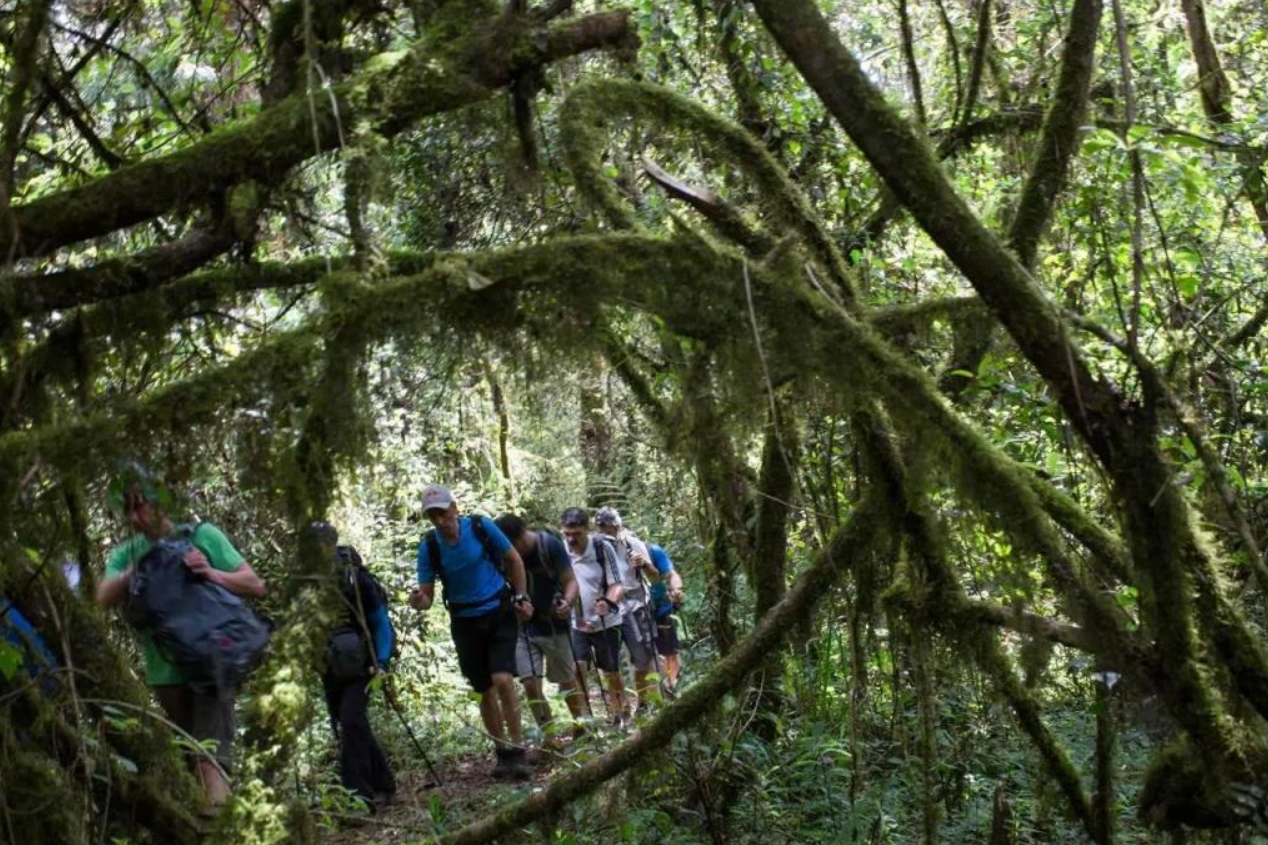
You may begin your journey walking through a beautiful rainforest, surrounded by trees, birds, and the sounds of nature.
As you gain elevation, the vegetation changes. The forest gives way to open moorland, unusual plants, rocky landscapes, and eventually the alpine desert.
One of the most important lessons on Kilimanjaro is to take your time.
Your guides will encourage you to walk slowly, drink enough water, and listen to your body.
In Swahili, you will often hear the phrase "Pole Pole," meaning slowly, slowly.
It is more than a phrase on the mountain. It is a way of climbing.
The Challenge of Summit Night
For many climbers, summit night is the most demanding part of the journey.
You usually begin walking during the night, wearing warm layers and following your guide under the stars.
The temperature can be extremely cold, and the altitude makes every step feel more difficult.
But as the sky begins to brighten, the experience can become unforgettable.
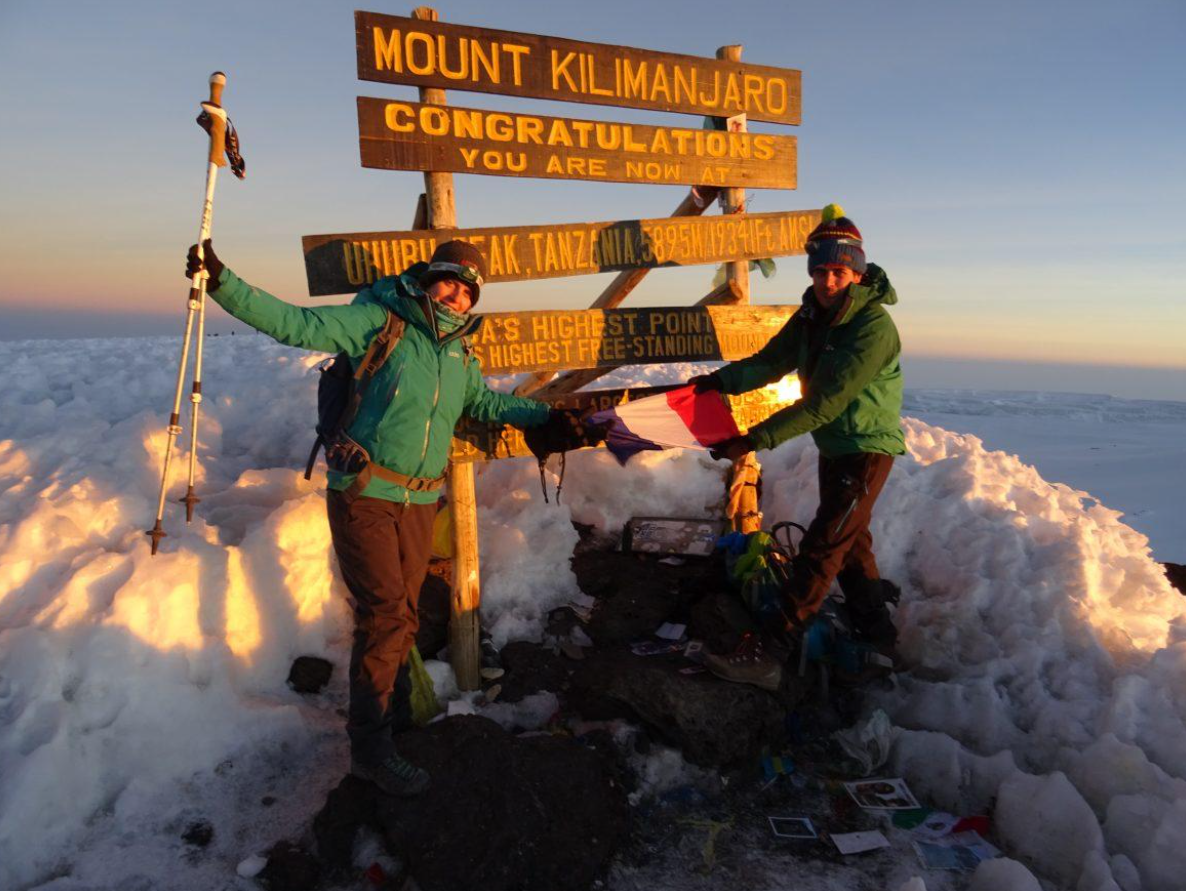
Reaching Uhuru Peak, at 5,895 meters (19,341 feet), is a moment many climbers remember for the rest of their lives.
Of course, not everyone reaches the summit. Altitude sickness is a serious risk, and safety must always come first. Your guides may recommend turning back if continuing is unsafe.
How Should You Prepare?
You do not need to become an athlete before climbing Kilimanjaro, but preparation makes a difference.
Consider:
Walking regularly, gradually increasing your distance.
Practicing hikes on hills or uneven terrain.
Building leg strength and cardiovascular fitness.
Testing your hiking boots before the trip.
Preparing for cold temperatures and changing weather.
Discussing altitude and medical fitness with your healthcare professional.
A good preparation plan should begin well before your departure.
Is Kilimanjaro Worth the Challenge?
For many people, the mountain is about much more than reaching the summit.
It is about discovering what you are capable of, experiencing Tanzania's natural beauty, meeting people from around the world, and sharing a journey that stays with you long after you return home.
You do not have to be the strongest person in the group. You need to prepare, respect the mountain, and take the journey one step at a time.
Take Your First Step with Lekule Midwest Safaris
At Lekule Midwest Safaris, we want to help more travelers from the Midwest discover that an African adventure can be closer to reality than they imagine.
Whether you are considering the Machame, Lemosho, Marangu, or another route, we can help you understand the options and plan your climb with our Tanzania-based team.
The mountain is waiting. Your journey begins with one step.
Experience Africa with a local safari expert.
Karibu Tanzania — your adventure is waiting.
