
What to Expect on Your First Safari in Tanzania
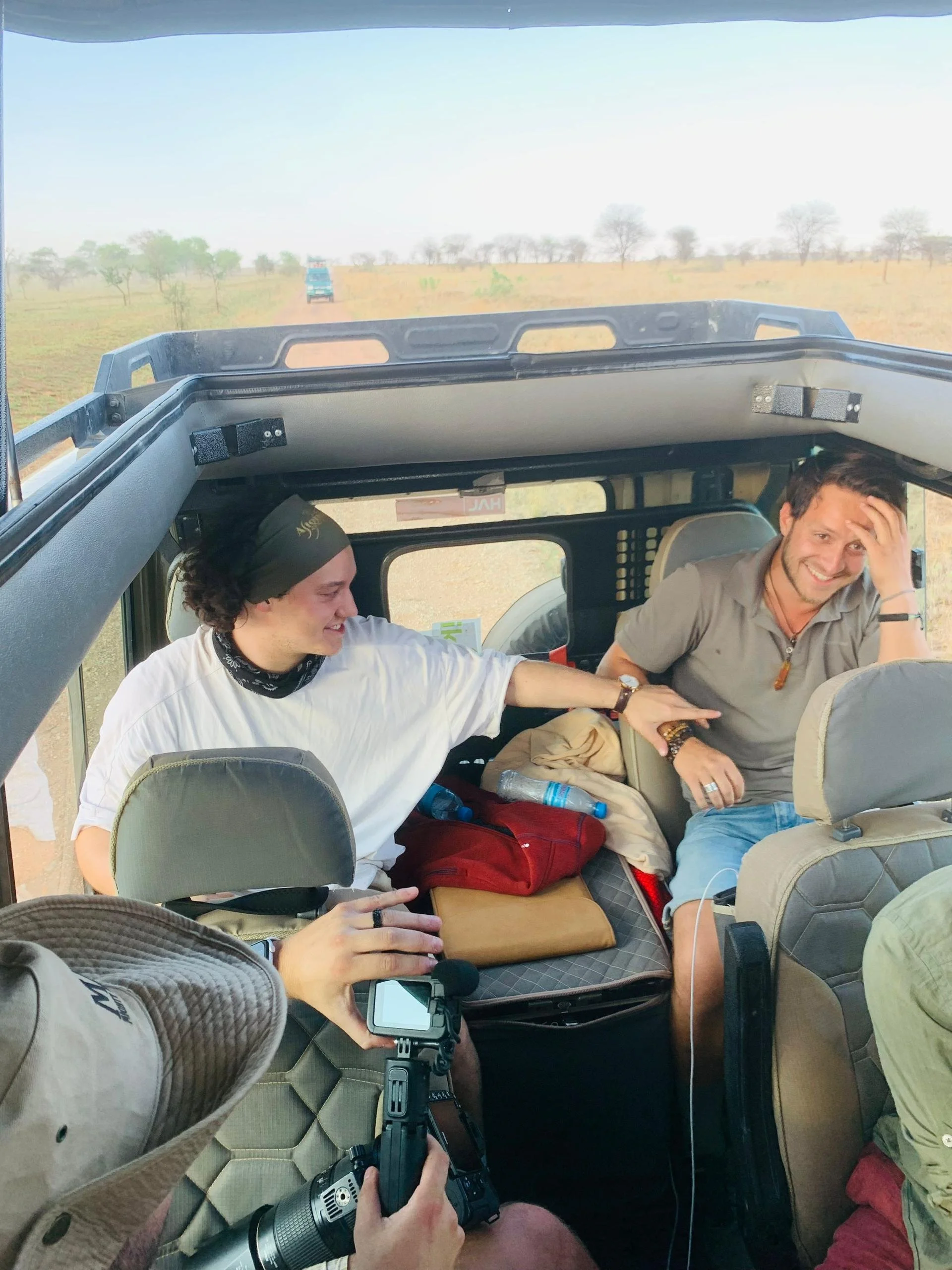
If you’ve never been on an African safari before, you may have a lot of questions. What is a typical day like? How close will I get to the animals? What should I wear? Will I really see lions, elephants, giraffes, and wildebeest?
The truth is that a Tanzania safari is unlike any ordinary vacation. Your days are shaped by nature, wildlife, and the rhythm of the African bush—and that is what makes the experience so unforgettable.
Your Day Usually Starts Early
Safari days often begin before sunrise.
There is something special about heading out while the sky is still changing colors and the Serengeti is beginning to wake up. Early mornings are also an excellent time for wildlife viewing because many animals are more active before the heat of the day.
You might see a lion returning from a night of hunting, elephants moving across the plains, giraffes feeding among the acacia trees, or a family of hyenas beginning their morning.
And sometimes, the sunrise itself becomes part of the adventure.
Every Game Drive Is Different
One of the most important things to understand about safari is that wildlife is wild.
There is no guarantee that you will see a particular animal in a particular place. Your safari guide may know the animals and their behavior extremely well, but nature does not follow a schedule.
One morning you might spend time watching a pride of lions. The next day, you could encounter a herd of elephants, a cheetah, or thousands of wildebeest.
That element of surprise is part of the magic.
You never really know what is waiting around the next corner.
How Close Will You Get to the Animals?
You may be surprised by how close wildlife can come to a safari vehicle.
Animals generally see safari vehicles as something very different from a person walking on foot. Your guide will position the vehicle carefully and respectfully so you can observe wildlife without disturbing it.
You could find yourself sitting quietly while a lion rests nearby or watching an elephant family cross the road in front of you.
These are the moments that often become the memories people talk about for years.
Your Safari Vehicle Becomes Part of the Experience
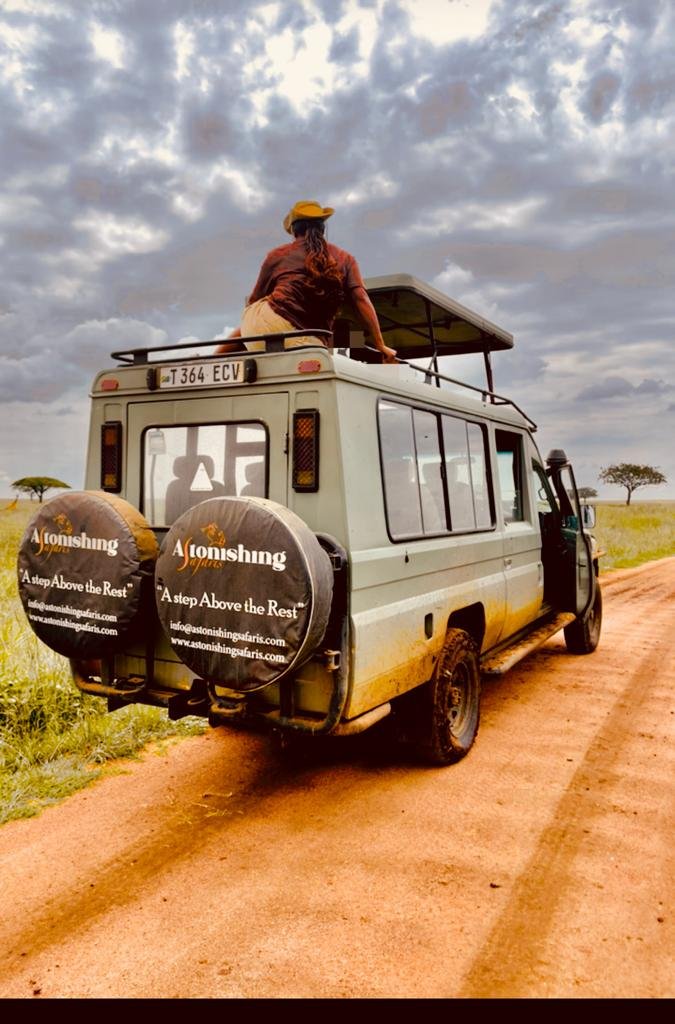
A safari vehicle is more than just transportation.
It becomes your viewing platform, your photography spot, and sometimes your classroom.
An experienced guide can help you understand what you are seeing—from animal behavior and tracks to birds, trees, insects, and the ecosystem around you.
Don't be afraid to ask questions. In fact, questions are encouraged.
You may discover that the small details are just as fascinating as the famous animals.
What Should You Wear?
Comfort is more important than fashion on safari.
Light, comfortable clothing that can handle dust and changing temperatures is a good choice. Early mornings can be cool, while afternoons may become quite warm.
Neutral or natural colors are generally practical for safari, especially when spending time in nature.
Comfortable shoes, sunglasses, sunscreen, a hat, and a light jacket can also be useful.
And don't forget your camera or phone—you are going to want it.
What About Food?
Many travelers are pleasantly surprised by the food on safari.
Depending on your itinerary and accommodation, meals may include a variety of local and international dishes.
You can experience fresh produce, meat, rice, pasta, breads, and other foods while enjoying the beautiful surroundings of Tanzania.
Some safari camps and lodges also offer memorable dining experiences where the setting becomes part of the meal.
Imagine enjoying dinner while surrounded by the sounds of the African night.
What About Safety?
Your safety is always important.
Safari guides are trained to understand wildlife behavior and know how to conduct themselves around wild animals. Following your guide's instructions is one of the most important parts of staying safe.
Never approach wildlife on your own, never leave the vehicle unless your guide says it is safe to do so, and always listen carefully to instructions.
The goal is to enjoy wildlife while respecting the fact that you are visiting their home.
Don't Expect Every Day to Be the Same
This is one of the best things about a Tanzania safari.
You might wake up expecting to see one thing and end up experiencing something completely different.
A quiet morning can suddenly turn into an incredible wildlife encounter. A simple drive across the plains can lead to a breathtaking sighting.
Sometimes the most memorable moments aren't planned at all.
It could be watching a herd of wildebeest move across the horizon, seeing a mother elephant with her calf, listening to birds in the early morning, or simply sitting quietly and watching the Serengeti stretch endlessly before you.
Take Time to Enjoy the Quiet Moments
Safari isn't only about checking animals off a list.
Yes, seeing the Big Five can be exciting. But Tanzania offers much more than lions, leopards, elephants, rhinos, and buffalo.
Take time to appreciate the landscapes, birds, trees, sunsets, local communities, and the small moments between major wildlife sightings.
Sometimes sitting quietly and watching the plains can be just as powerful as seeing a lion.
Be Ready for the Unexpected
Perhaps the best advice for a first-time safari traveler is simple:
Come with an open mind.
Nature doesn't operate on our schedule.
You may have an incredible wildlife encounter five minutes after leaving camp—or you may spend hours searching before finally finding something extraordinary.
And when that moment comes, it feels even more special because you didn't know it was coming.
A Little About the Serengeti
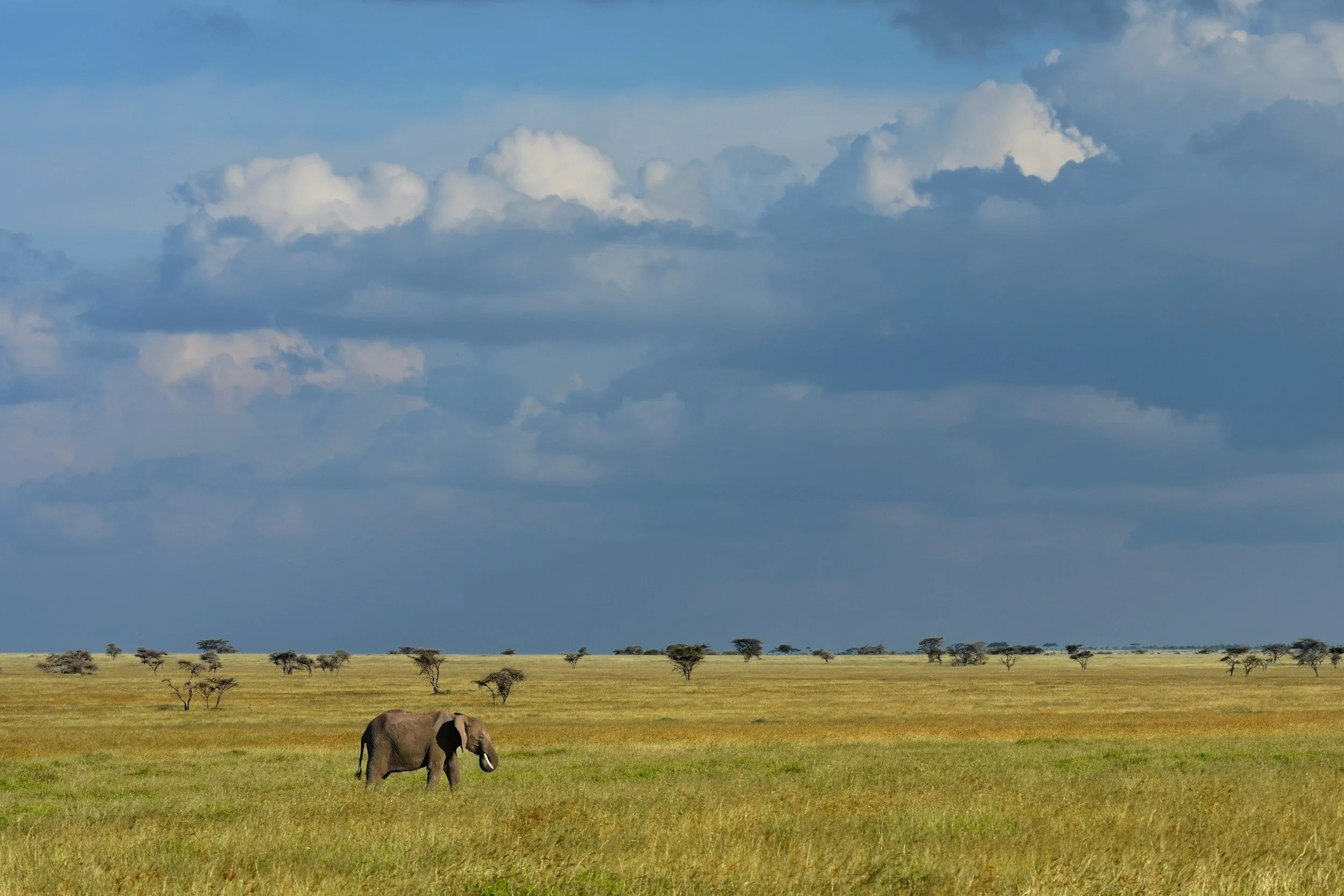
The Serengeti is part of a much larger ecosystem that stretches across Tanzania and Kenya. Its grasslands, woodlands, rivers, and seasonal water sources support an extraordinary variety of wildlife.
The famous Great Migration is one part of this larger ecosystem, but the Serengeti is alive throughout the year.
Lions, elephants, giraffes, cheetahs, leopards, hippos, hyenas, zebras, wildebeest, and hundreds of bird species all play a role in this incredible natural environment.
That's why a safari here is about more than finding animals. You're witnessing an entire ecosystem working together.
Godlove's Journal
Growing up in Tanzania, I learned that the bush is never exactly the same from one day to another.
There is always something to notice.
Sometimes it is a lion resting under a tree. Sometimes it is a herd of elephants crossing the road. Sometimes it is nothing more than the sound of birds while the sun comes up over the plains.
I think that is one of the most beautiful things about a safari.
You don't have to rush.
Take a moment. Look around. Listen.
Let Tanzania speak for itself.
When you return home, you may forget some of the roads you traveled or the name of every place you visited. But I believe you will remember how you felt sitting quietly in the African wilderness, watching nature unfold right in front of you.
That is the experience I want every traveler to have.
Your First Safari Could Become a Lifelong Memory
A Tanzania safari is not simply a trip to see animals.
It is an opportunity to experience nature in a completely different way.
You wake up with the sunrise, travel through incredible landscapes, learn from experienced guides, encounter wildlife in its natural environment, and finish the day surrounded by the sounds of Africa.
For many first-time travelers, the safari ends up being more than they expected.
And that is the beauty of Tanzania.
The adventure is not just about what you hope to see. It's about what you discover along the way.
Karibu Tanzania 🇹🇿
Welcome to Tanzania.
Whether you come for the wildlife, the landscapes, Mount Kilimanjaro, the people, or simply the adventure, Tanzania has a way of leaving a little piece of itself with you.
Karibu Tanzania — we can't wait to share it with you.
